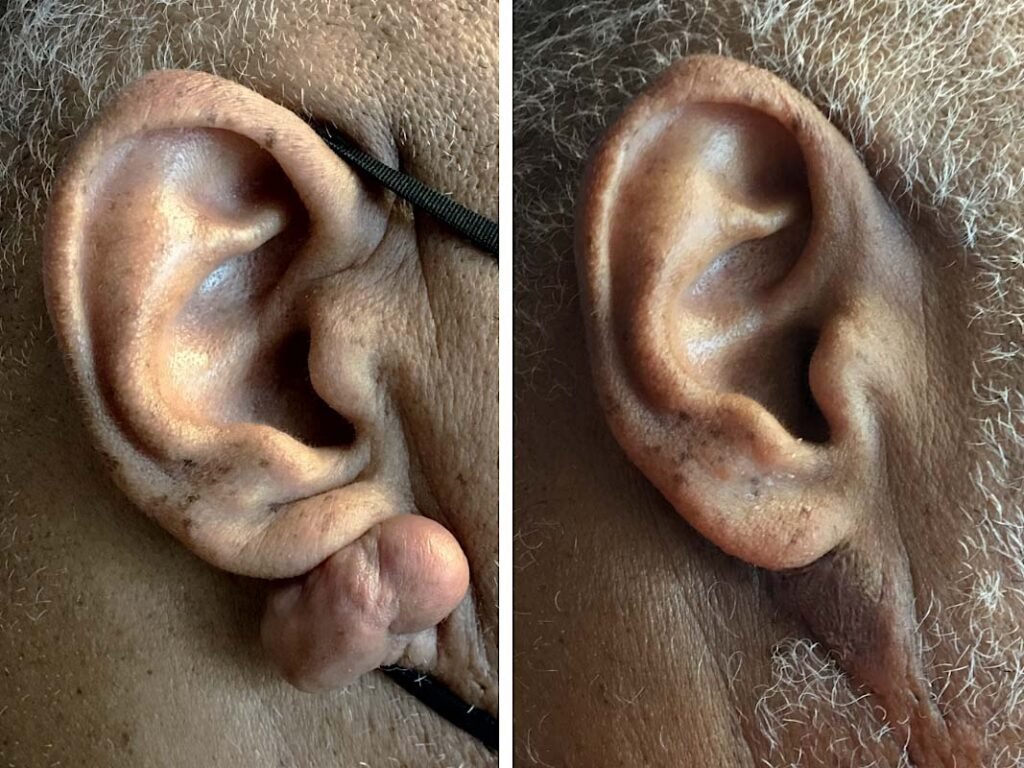
You found a doctor. You went through keloid removal. You followed every aftercare instruction. And the keloid came back anyway, perhaps larger or more painful than before.
If that sounds familiar, you are far from alone. Keloid recurrence is the most common frustration we hear from new patients, and it leads many people to conclude that keloid scars simply cannot be treated. That conclusion is understandable. It is also wrong. In most cases, the problem was never your skin. It was the treatment.
What Is a Keloid Scar?
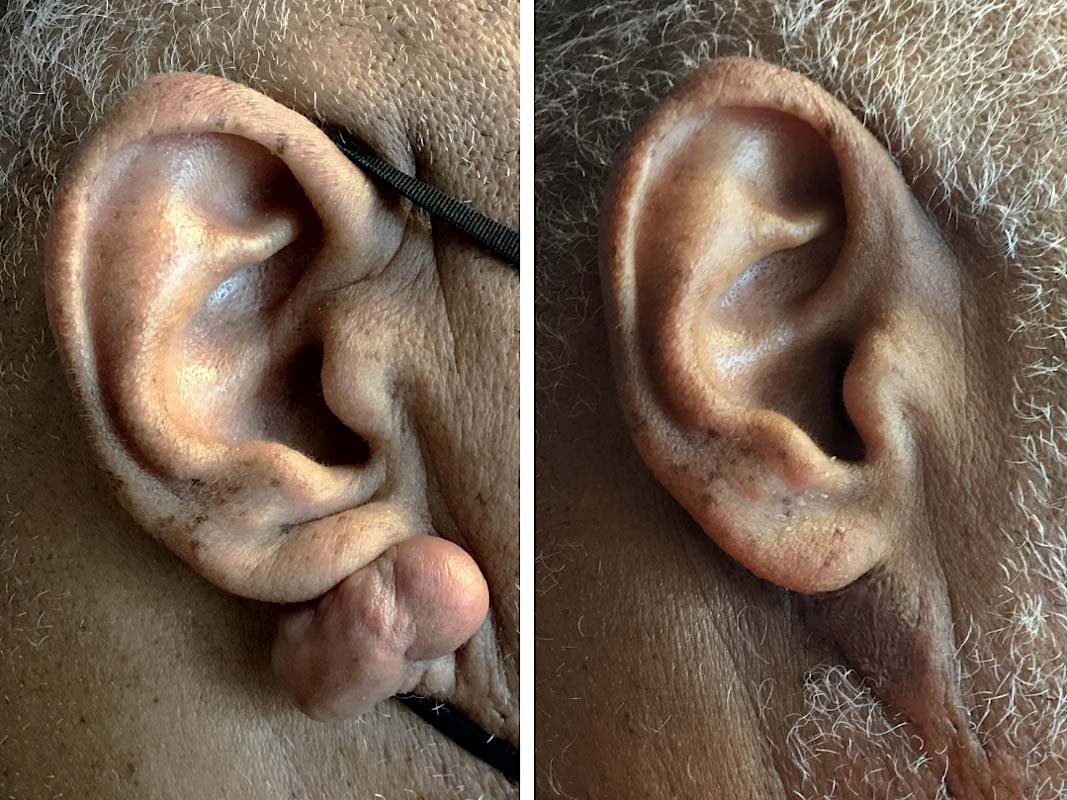
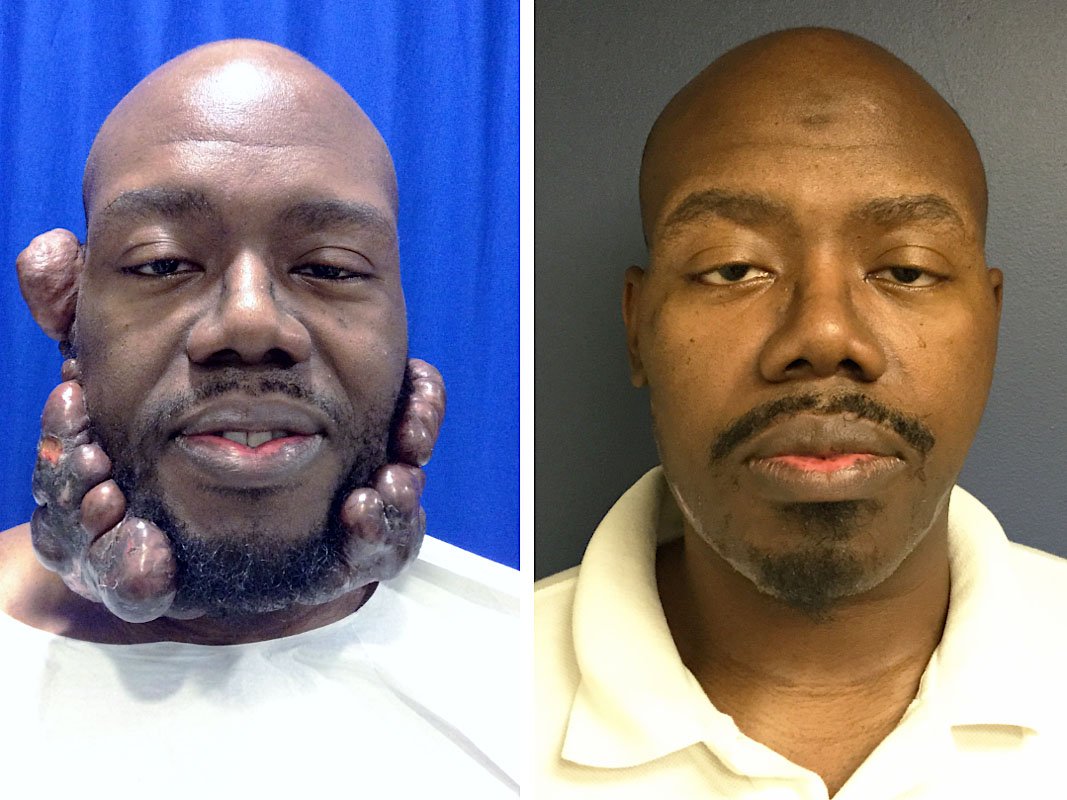
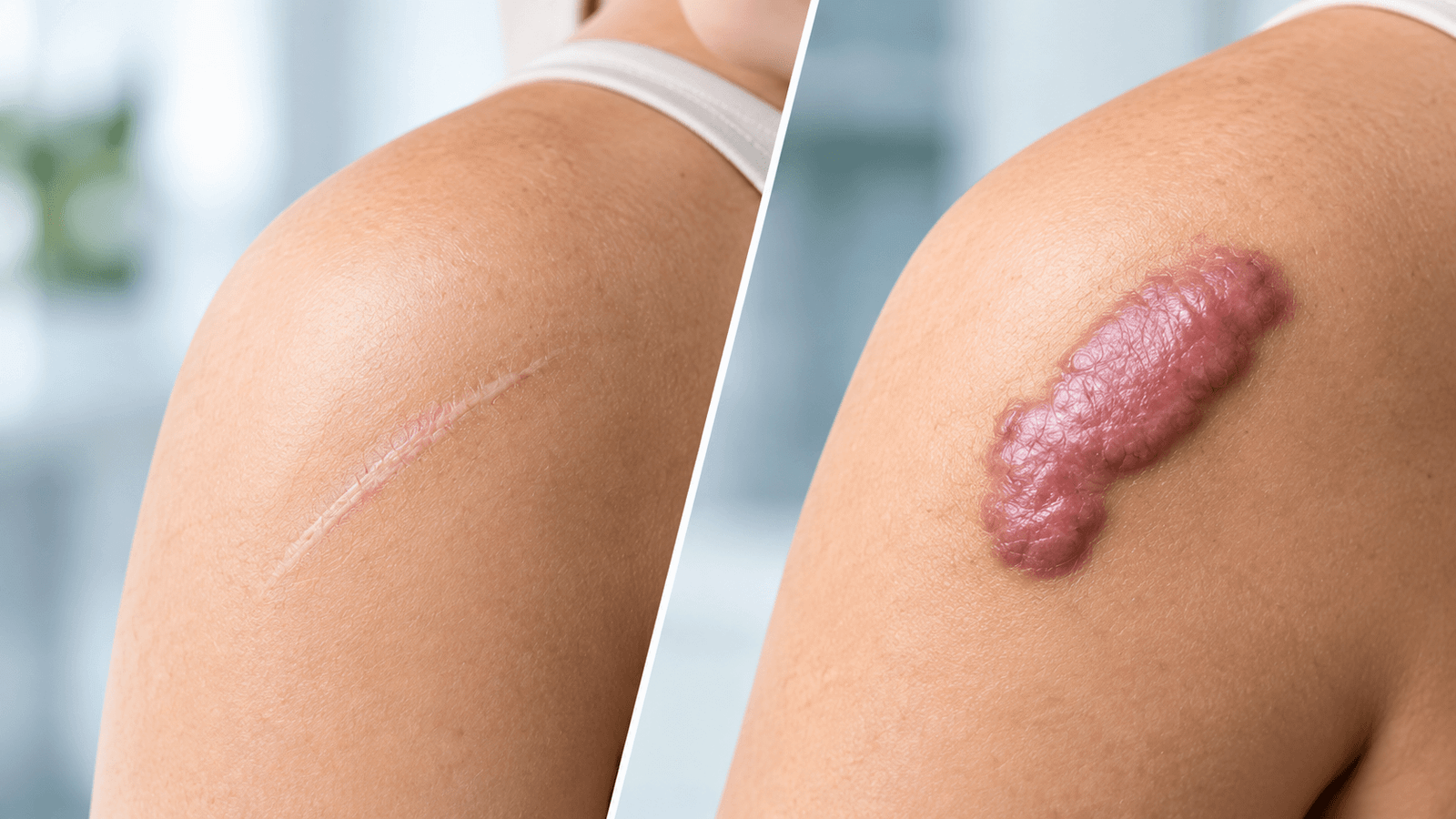
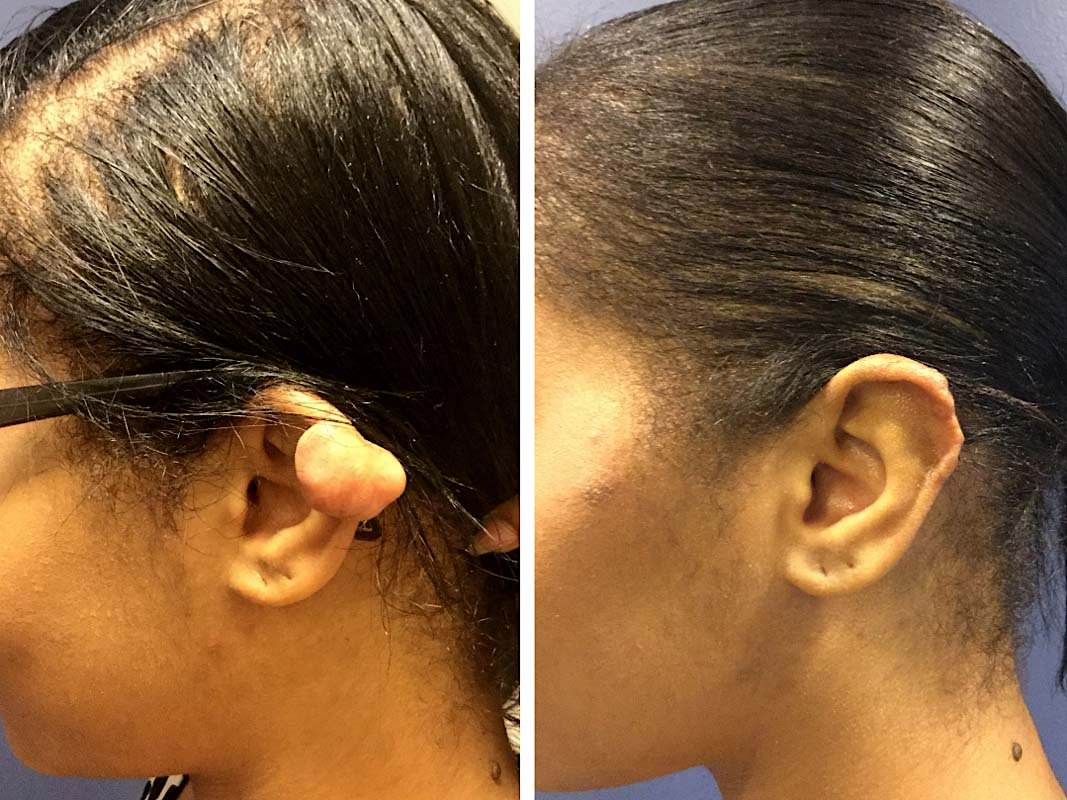
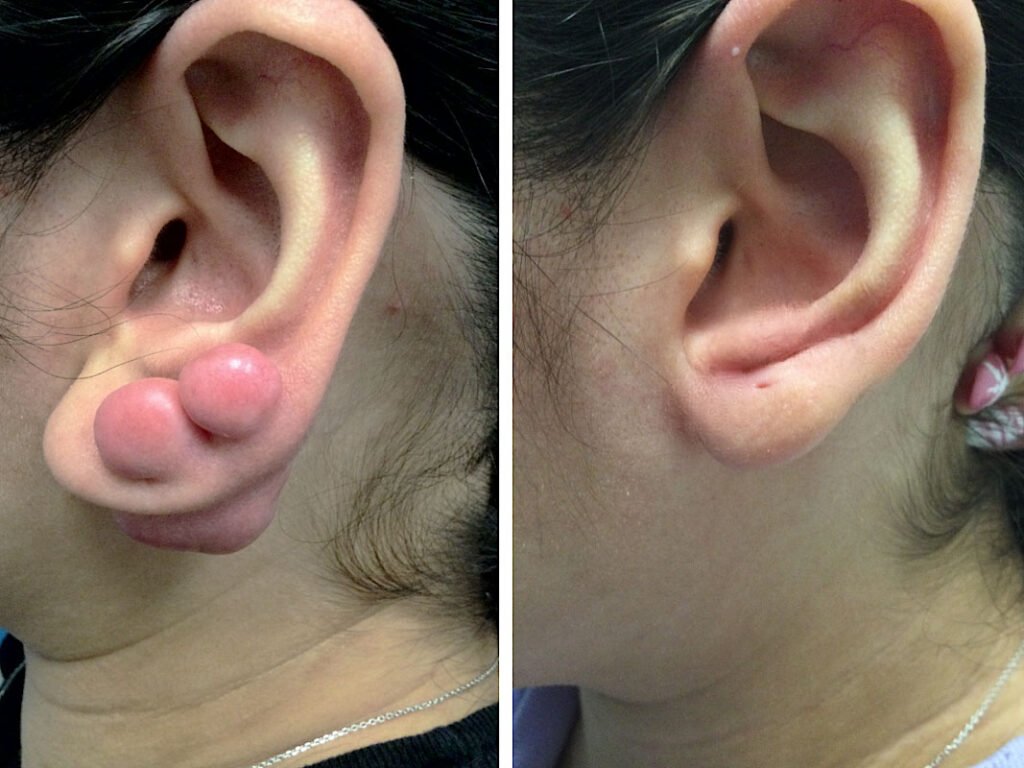
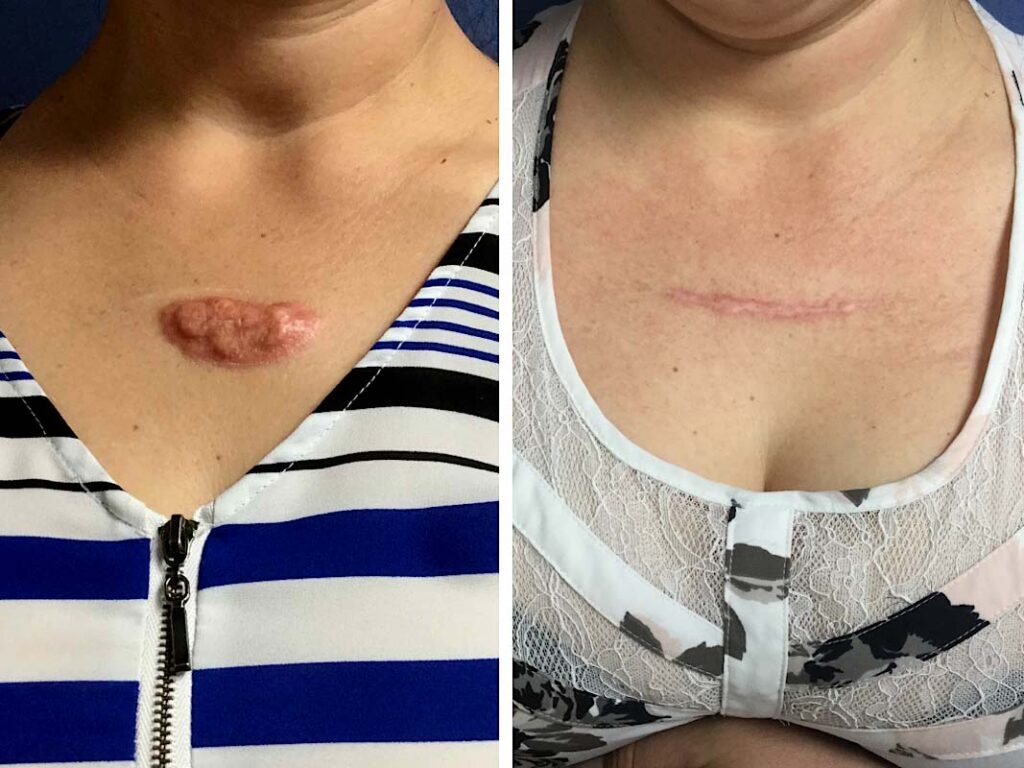
A keloid is a raised scar that forms when the body’s healing response continues working long after a wound has closed, producing collagen well past the point of repair. A keloid scar grows beyond the borders of the original injury, which is what distinguishes a keloid from a hypertrophic scar. Keloids commonly form on the ears after piercings, and on the chest, shoulders, jawline, and at surgical sites.
That growth pattern explains the recurrence problem. When a keloid is surgically removed and nothing more is done, the surgery itself creates a new wound in skin that has already demonstrated a tendency to over-heal. Keloid removal without a plan for what happens next does not resolve the underlying behavior. It often restarts it.
Why Do Keloids Come Back After Removal?
In many practices, keloid removal is treated as a routine excision: remove the scar tissue, close the wound, and hope. That approach overlooks the reason the keloid formed in the first place, and it is why keloids so often return after surgery alone.
Keloid treatment that lasts requires two things working together. The first is removal performed by a surgeon who treats keloids regularly, across every presentation: ear keloids, jawline keloids, chest keloids, shoulder keloids, and post-surgical scars. The second, and the step most often skipped, is a recurrence-prevention plan that begins the moment the keloid is removed, tailored to its location, size, and history. An ear keloid and a chest keloid behave differently. A first-time keloid and one that has already returned behave differently. Treating them identically tends to produce identical results.
If a previous keloid removal did not last, a different approach may.
Keloid Removal With a 95% Non-Recurrence Rate
Dr. Michael E. Jones has focused on keloid and scar removal for more than 20 years, treating over 10,000 patients. Among them are many people whose keloids had returned after treatment elsewhere.
Our patients see a 95% success rate of non-recurrence. That figure reflects a consistent method: careful surgical removal of the keloid, an individualized prevention plan for each patient, and follow-up designed to catch early warning signs before they become recurrence. Experience across thousands of keloid cases is what makes each of those steps precise.
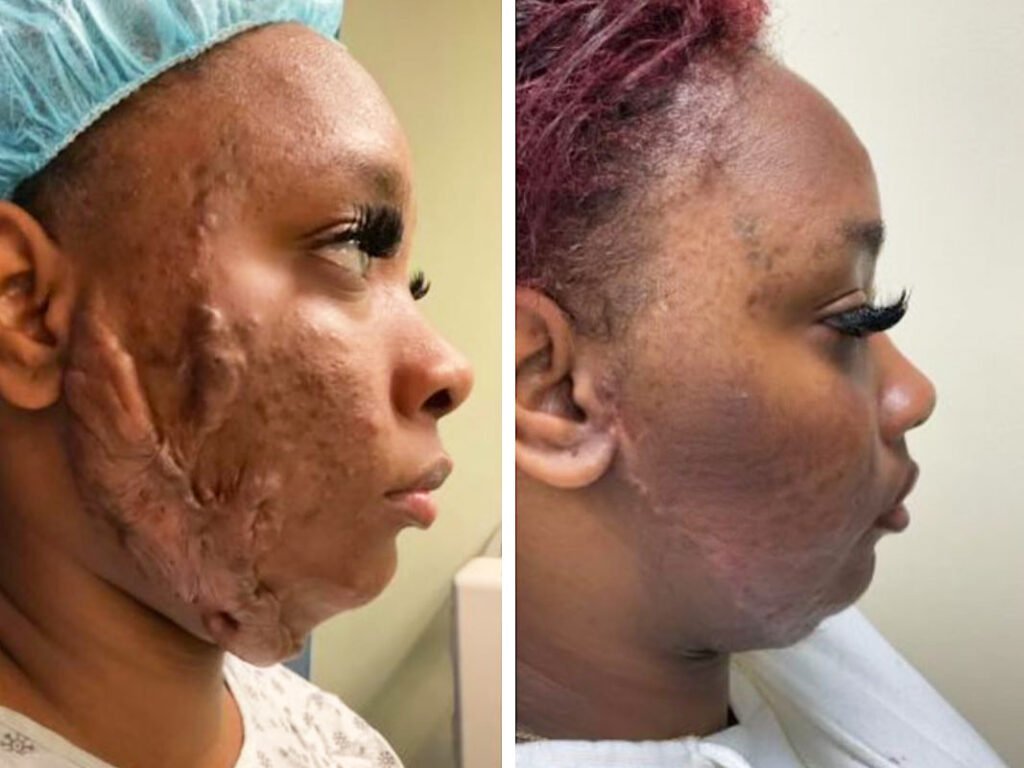
How Much Does Keloid Removal Cost?
Cost keeps more people from keloid treatment than fear of the procedure does, and it deserves a straight answer.
Your consultation is free. During it, you receive a specific keloid treatment plan and specific pricing, so there are no surprises later. Financing is available through Alphaeon Credit for patients who prefer to spread payments over time. For many patients, the least affordable path turns out to be repeating a keloid removal that was never designed to last.
Free consultation. Financing available. Full pricing before you decide.
Keloid Removal Questions, Answered
Do keloids grow back after removal? With excision alone, keloid recurrence is common, which is why removal should be paired with a prevention plan. Our combined approach delivers a 95% non-recurrence rate among our patients.
How do you get rid of a keloid from an ear piercing? Ear keloids rarely go away on their own, and home remedies do not remove them. Lasting results come from surgical removal by a keloid specialist, combined with a recurrence-prevention plan. Re-piercing the area is not recommended.
My keloid already came back. Can it still be treated? Yes. Patients with prior keloid removals make up a significant share of our practice. Recurrent keloids are more complex, and they are treatable.
How much does keloid removal cost? Pricing depends on the keloid’s size, location, and history. Your free consultation includes an exact treatment plan and exact pricing, and financing is available.
Is keloid removal painful? The procedure is performed with appropriate anesthesia. Most patients find keloid removal more comfortable than expected, particularly compared with living with a painful or itching keloid.
How do I know it’s a keloid and not a hypertrophic scar? Keloids grow beyond the borders of the original wound; hypertrophic scars stay within them. We confirm your diagnosis at your consultation, and the answer shapes the treatment plan.
Keloid Treatment Near You: 7 Locations Nationwide
Many of our patients spent years adjusting their clothing, their hairstyles, and their plans around a keloid before they walked in. What they tell us afterward, almost universally, is that they wish they had come sooner. With keloid removal offices in New York, Cliffside Park, Fort Washington, Atlanta, Miami, Sugar Land, and Los Angeles, specialized keloid care is closer than most people expect.
Find Out Whether Your Keloid Can Be Treated for Good
Free consultation. 7 locations nationwide. 95% non-recurrence rate.