If you are considering keloid removal, one of the first questions you may have is: How much does keloid removal cost?
The answer can vary considerably from patient to patient. Keloid treatment is not a one-size-fits-all procedure, and the total cost depends on factors such as the size and location of the keloid, the treatment approach, the number of sessions required, and whether additional treatments are recommended to reduce the chance of recurrence.
What Determines the Cost of Keloid Removal?
Several factors can influence the overall cost of treatment.
1. Size and Location of the Keloid
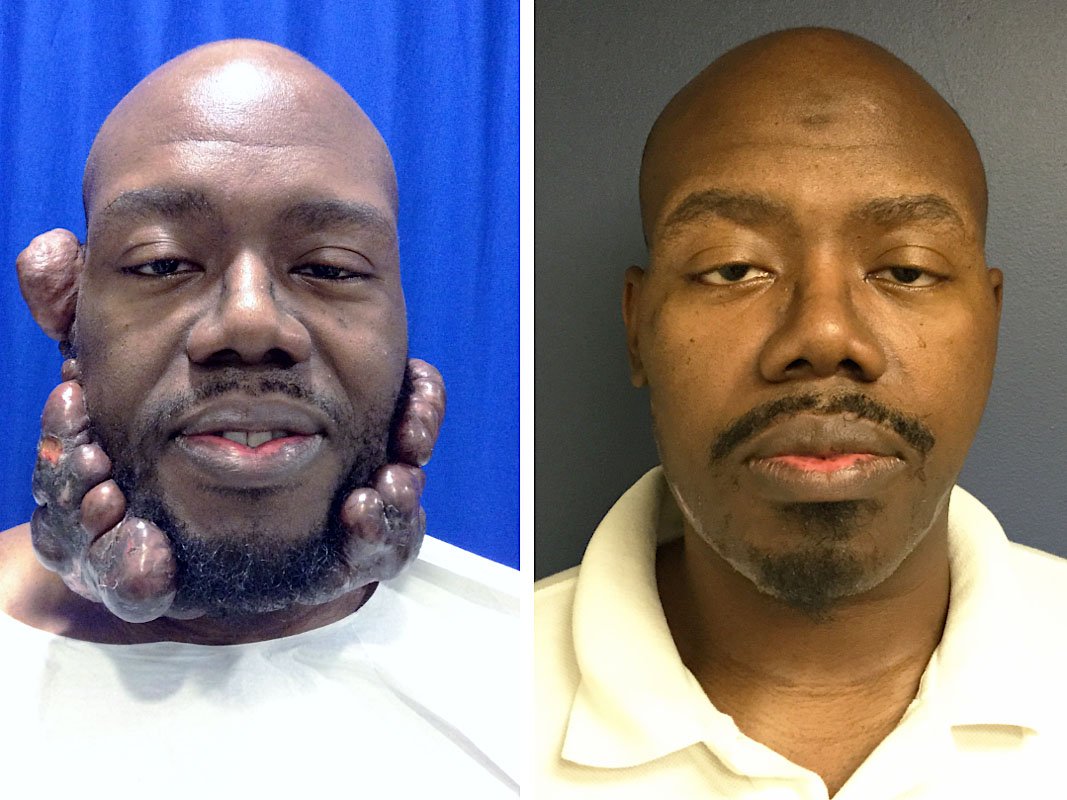
A small keloid may require a relatively straightforward treatment, while a larger or more complex keloid may require additional treatment time and follow-up care.
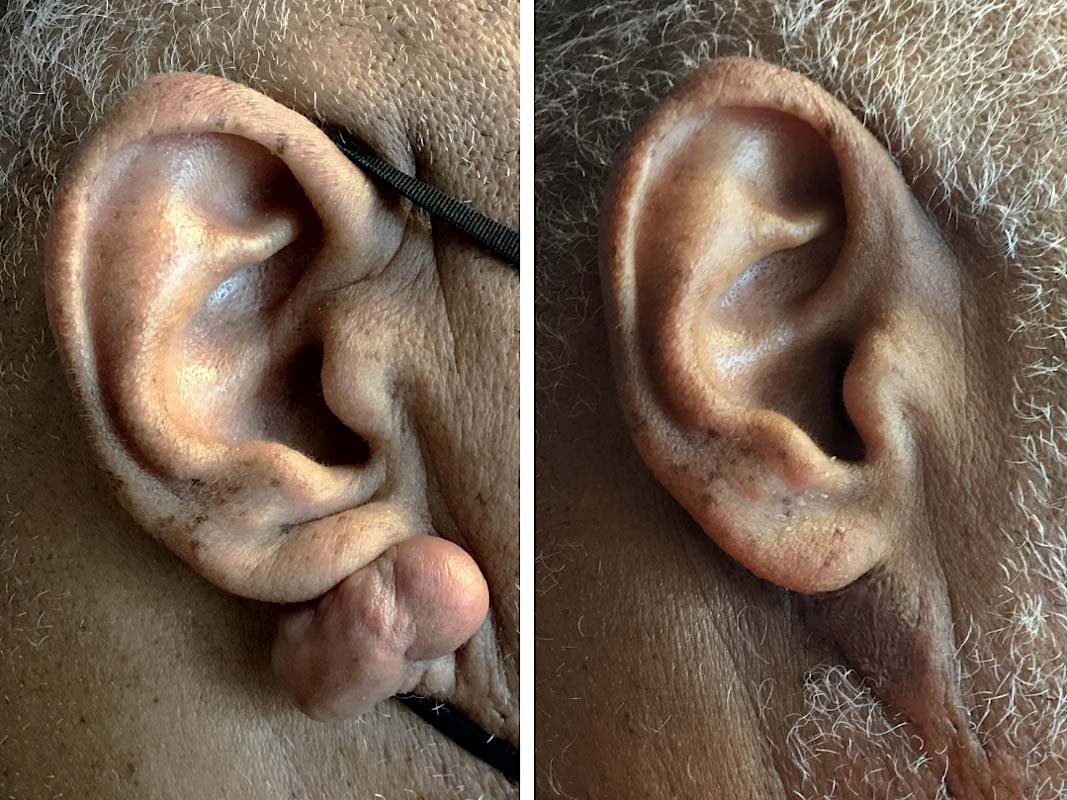
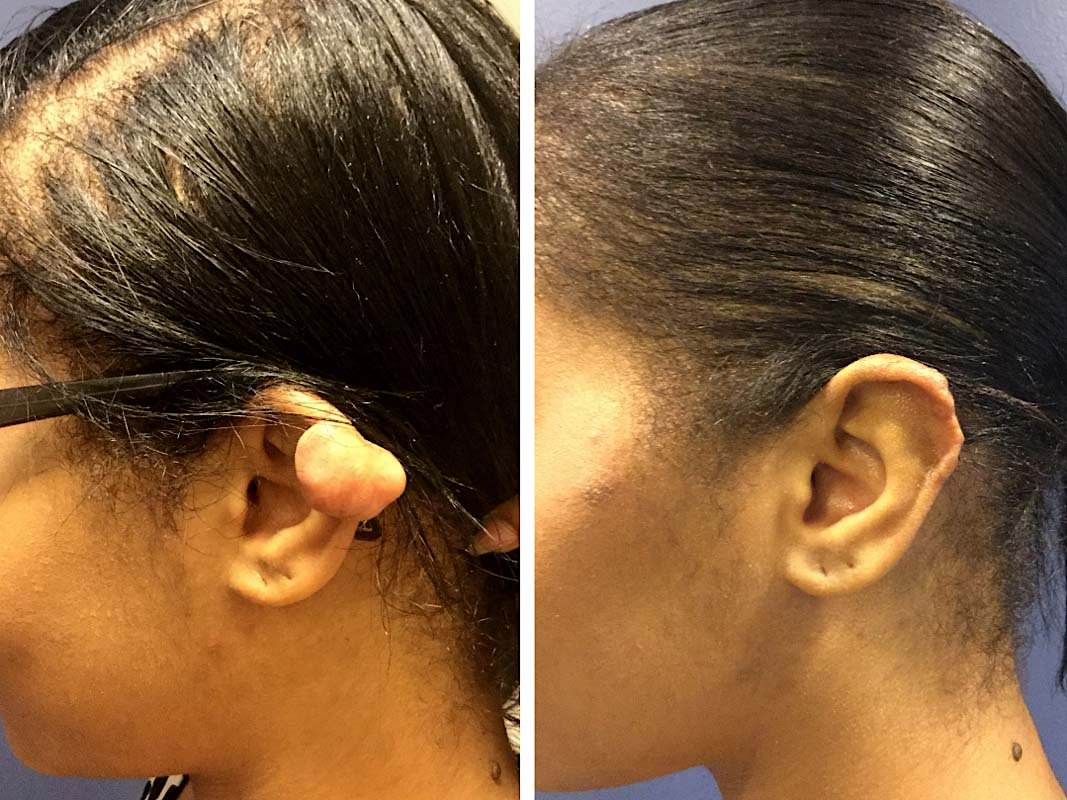
The location also matters. Keloids on areas such as the face, ears, chest, shoulders, or joints can present different treatment considerations.
2. Treatment Method
There are several approaches that may be used to treat keloids, depending on the individual patient. These can include:
- Surgical keloid removal
- Radiation therapy following surgery
- Steroid injections
- Cryotherapy
- Laser treatments
- Pressure therapy
- Silicone-based treatments
- Combination treatment approaches
Because different treatments have different requirements, the cost can vary depending on the treatment plan recommended for you.
3. Number of Treatments Needed
Some keloids can be treated with a single procedure, while others require multiple appointments or a combination of treatments.
Your provider may also recommend follow-up visits to monitor healing and the treated area.
4. Recurrence Prevention
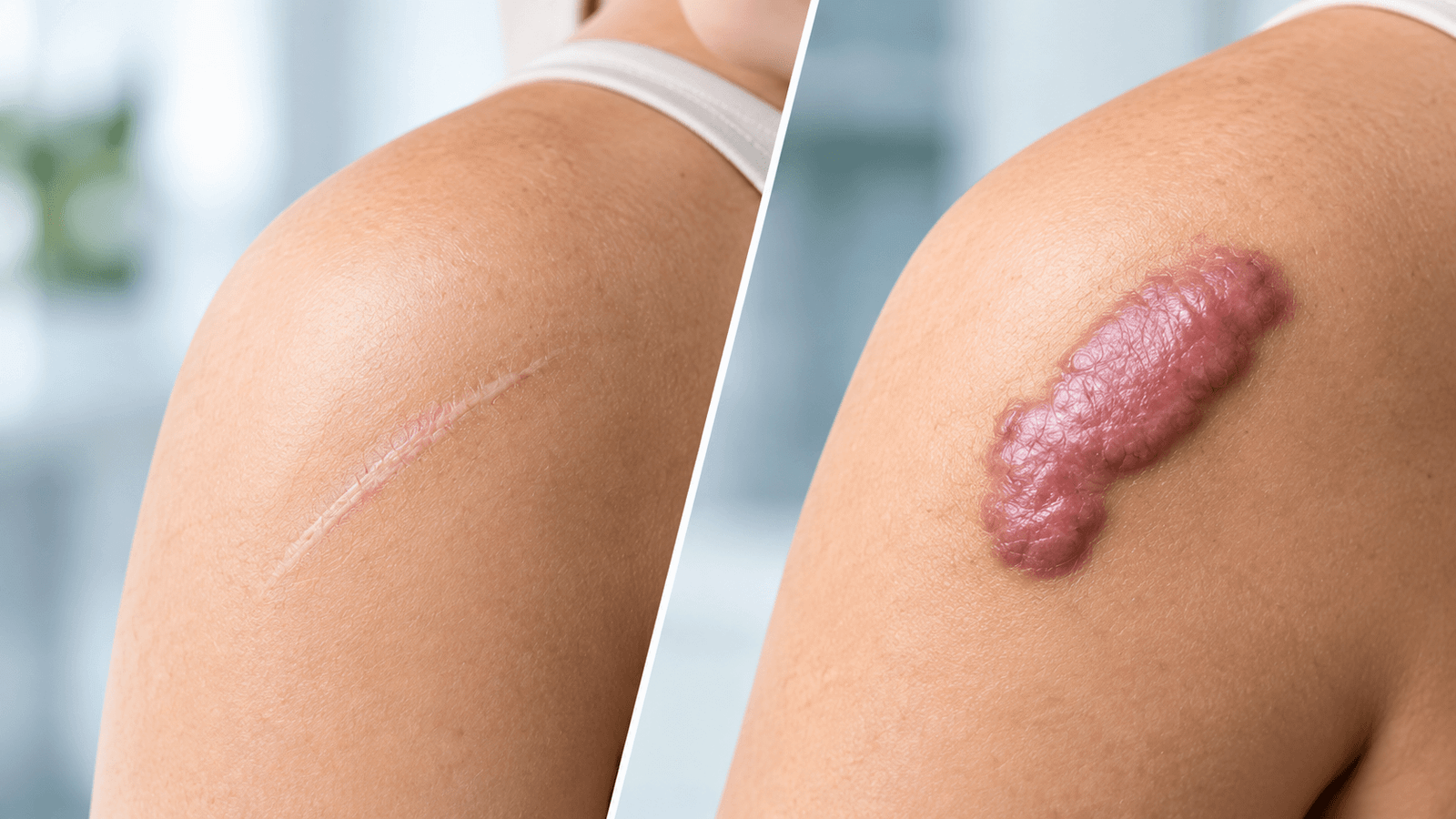
Treating a keloid is not only about removing the existing scar tissue. Keloids can return after treatment, so your treatment plan may include additional measures designed to help reduce recurrence.
For example, surgery may be combined with another treatment when clinically appropriate.
Is Keloid Removal Covered by Insurance?
Insurance coverage depends on your individual insurance plan and the reason for treatment.
In some cases, treatment may be considered medically necessary, particularly when a keloid causes symptoms such as pain, itching, irritation, or restricted movement. Cosmetic procedures may be handled differently by insurance providers.
Before scheduling treatment, it is a good idea to contact your insurance company and ask about coverage, deductibles, copays, and any authorization requirements.
Why a Consultation Matters
Online cost estimates can only provide general information because every keloid is different.
During a consultation, a keloid specialist can evaluate factors such as:
- The size and thickness of the keloid
- Its location
- How long you have had it
- Previous treatments
- Whether the keloid has returned before
- Your symptoms
- Your treatment goals
This evaluation helps determine which treatment approach may be appropriate and what costs may be involved.
What Should You Ask About the Cost?
Before beginning treatment, consider asking your provider:
What is included in the quoted treatment cost?
Ask whether the estimate includes the procedure, follow-up appointments, anesthesia or facility fees, medications, and any additional treatments that may be recommended.
You can also ask whether multiple treatments are expected and whether there may be additional costs during follow-up care.
Choosing a Keloid Treatment Provider
Cost is an important consideration, but it should be evaluated alongside the treatment approach and the provider’s experience with keloids.
Keloids can behave differently from ordinary scars, and treatment planning should take recurrence into consideration. A consultation with a provider experienced in keloid treatment can help you understand your options and the expected treatment process.
At DrKeloid, patients can receive an individualized evaluation to determine an appropriate approach for their keloid. Treatment options may include surgical removal and additional therapies based on the patient’s specific circumstances.
The Bottom Line
There is no single price that applies to every keloid removal procedure. Keloid removal cost depends on the individual keloid, its location and size, the treatment method, the number of treatments required, and whether additional recurrence-prevention treatment is recommended.
Rather than choosing a treatment based solely on price, discuss your specific case with a qualified keloid specialist. A personalized consultation can give you a clearer understanding of the recommended treatment and the associated costs.
If you are considering keloid removal, schedule a consultation with DrKeloid to discuss your treatment options and what to expect.