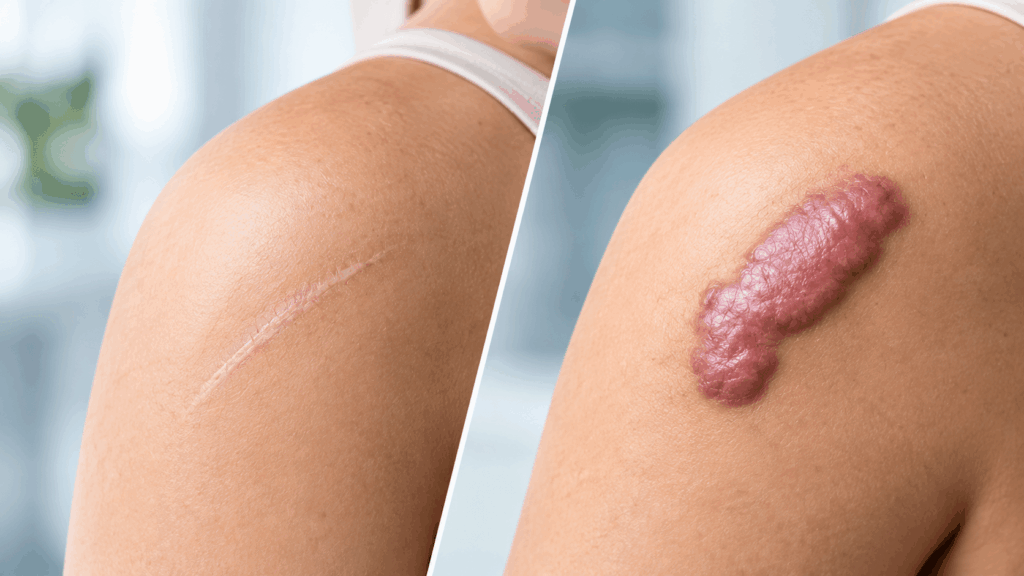
What Is a Scar?
A scar is part of the body’s natural healing process. When the skin is injured, the body produces collagen and other tissue to repair the damaged area. The resulting scar can look different depending on the type and depth of the injury, its location, and how the skin heals.
Scars can be:
- Flat or slightly raised
- Lighter or darker than the surrounding skin
- Pink, red, brown, purple, or skin-colored
- Soft or firm
- Itchy, tender, or uncomfortable
Many ordinary scars gradually become less noticeable as they mature. Some scars, however, can remain raised or develop into a more significant type of scar tissue.
What Is a Keloid?
A keloid is a type of raised scar that grows beyonfing within the area that was damaged, the can continue expanding into surrounding healthy skin.
Keloids can develop after relatively minor skin injuries, including:
- Surgical incisions
- Cuts and injuries
- Burns
- Acne
- Insect bites
- Vaccinations
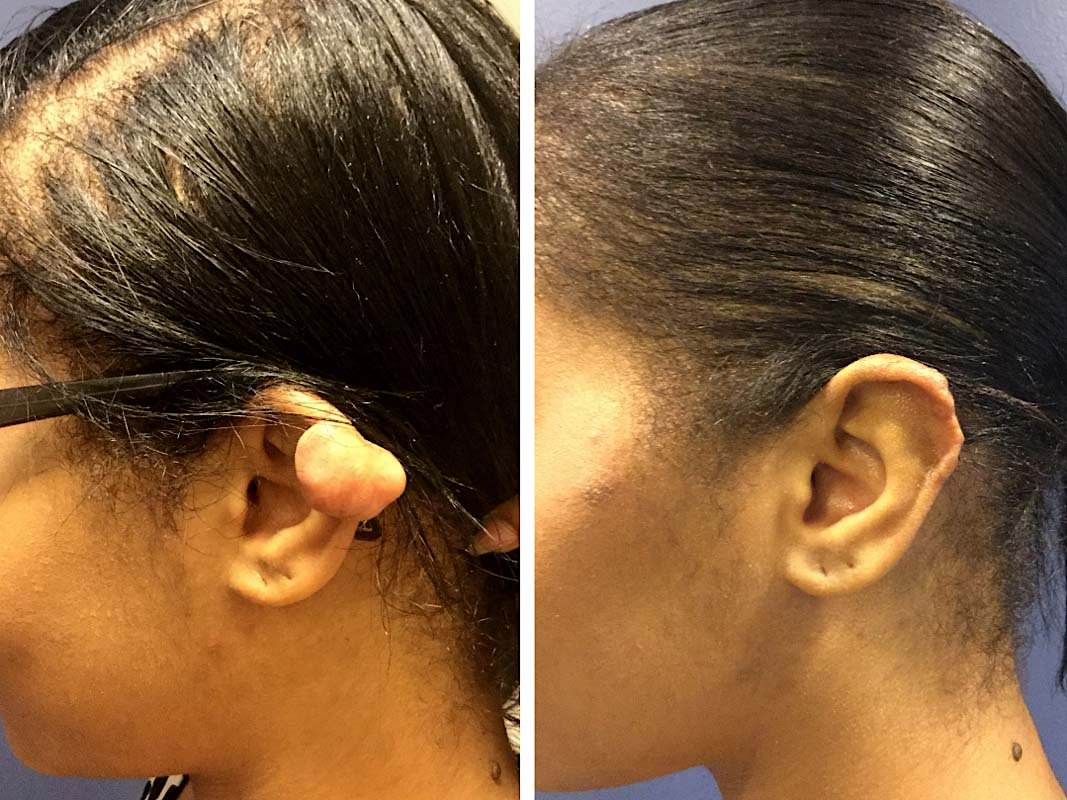
- Ear or body piercings
In some cases, keloids may appear months after the original injury and can continue growing slowly for months or years.
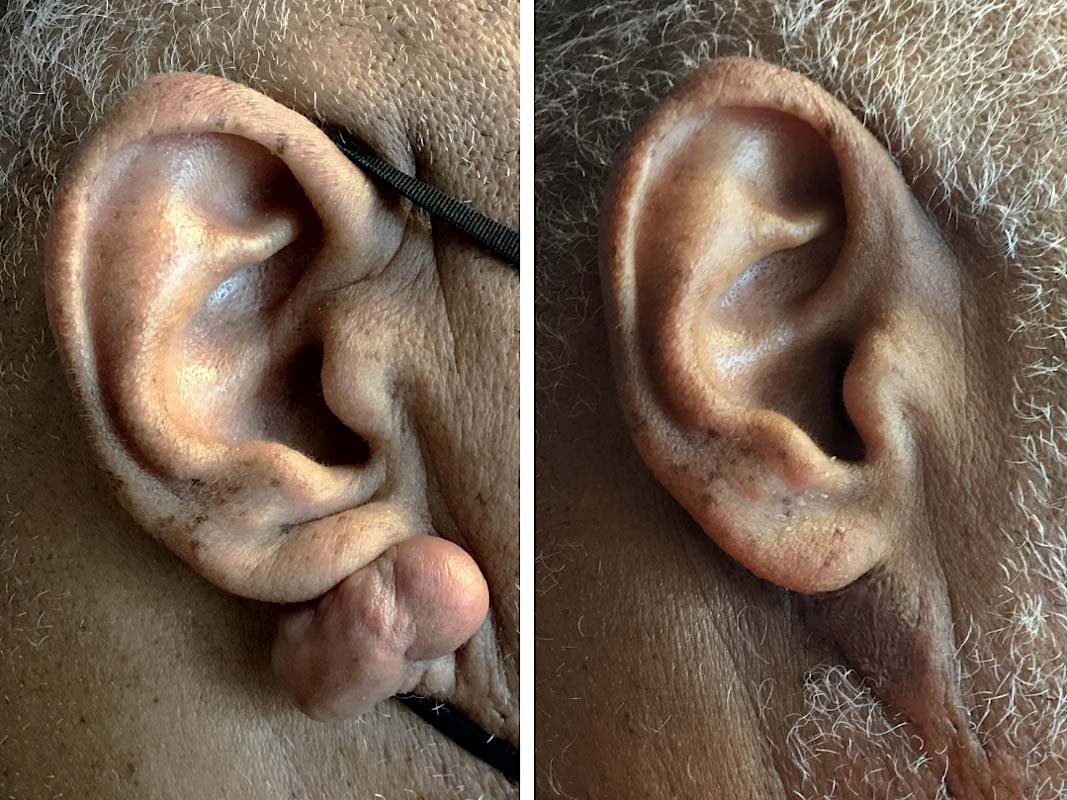
Keloids are commonly found on the ears, jawline, chest, shoulders, and upper back, although they can occur elsewhere on the body.
Keloid vs. Scar: What Is the Difference?
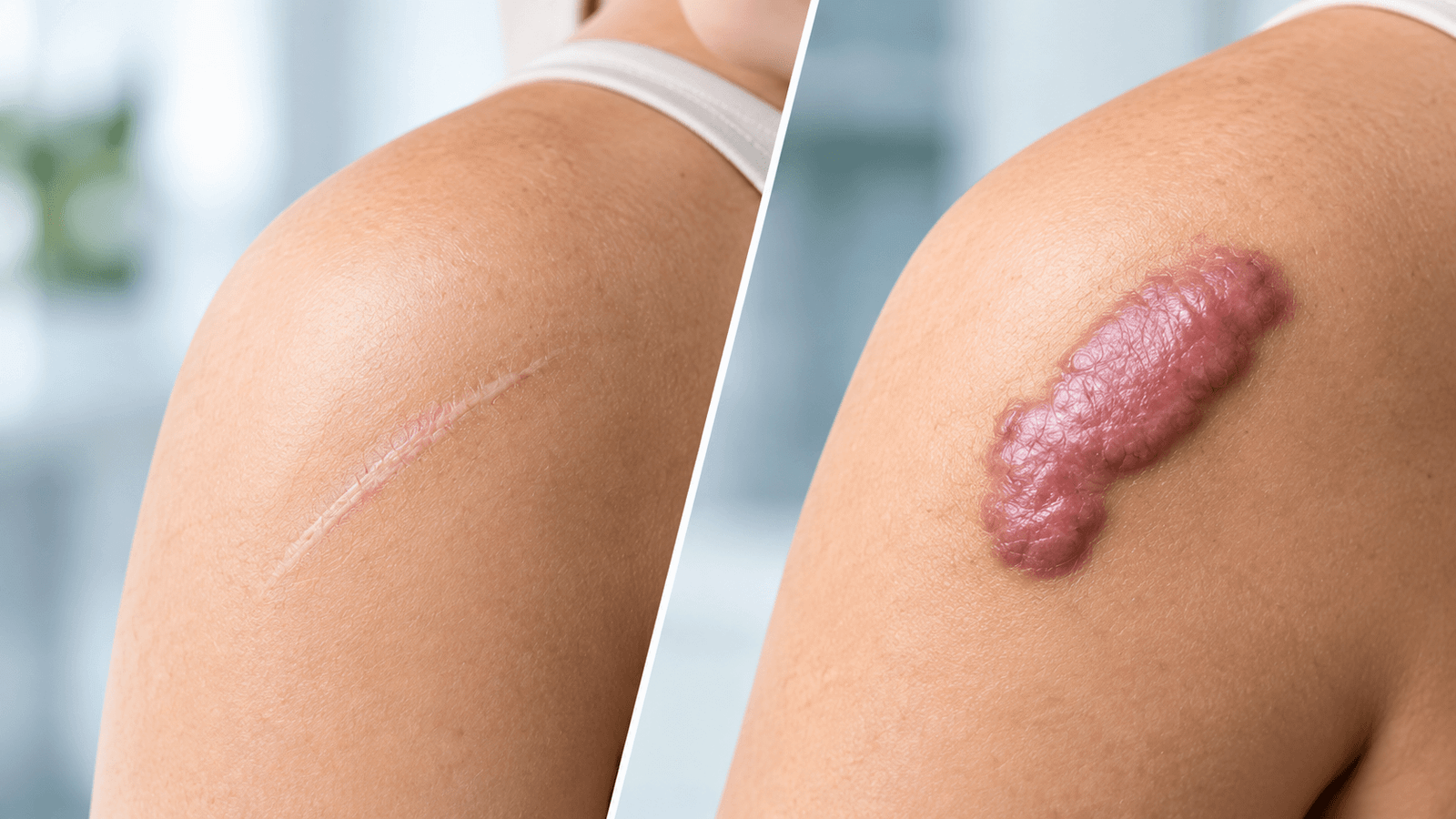
The most important distinction is how the scar behaves in relation to the original wound.
| Feature | Typical Scar | Keloid |
|---|---|---|
| Stays within original wound | Usually | No — can extend beyond it |
| Raised appearance | Sometimes | Common |
| Continues growing | Usually no | Can continue growing |
| May become itchy or painful | Sometimes | Can be itchy, tender, or painful |
| Changes over time | Often becomes flatter or less noticeable | Often remains raised without treatment |
| Can appear months after injury | Possible | Common |
| Requires evaluation | Depending on symptoms | Often worth professional evaluation |
A raised scar that remains within the boundaries of the original wound may be a hypertrophic scar rather than a keloid. Hypertrophic scars can be raised and firm but generally do not grow beyond the original injury and may flatten over time.
How Can You Tell If You Have a Keloid?
There are several signs that may suggest a scar is a keloid.
1. It Grows Beyond the Original Wound
This is one of the clearest differences.
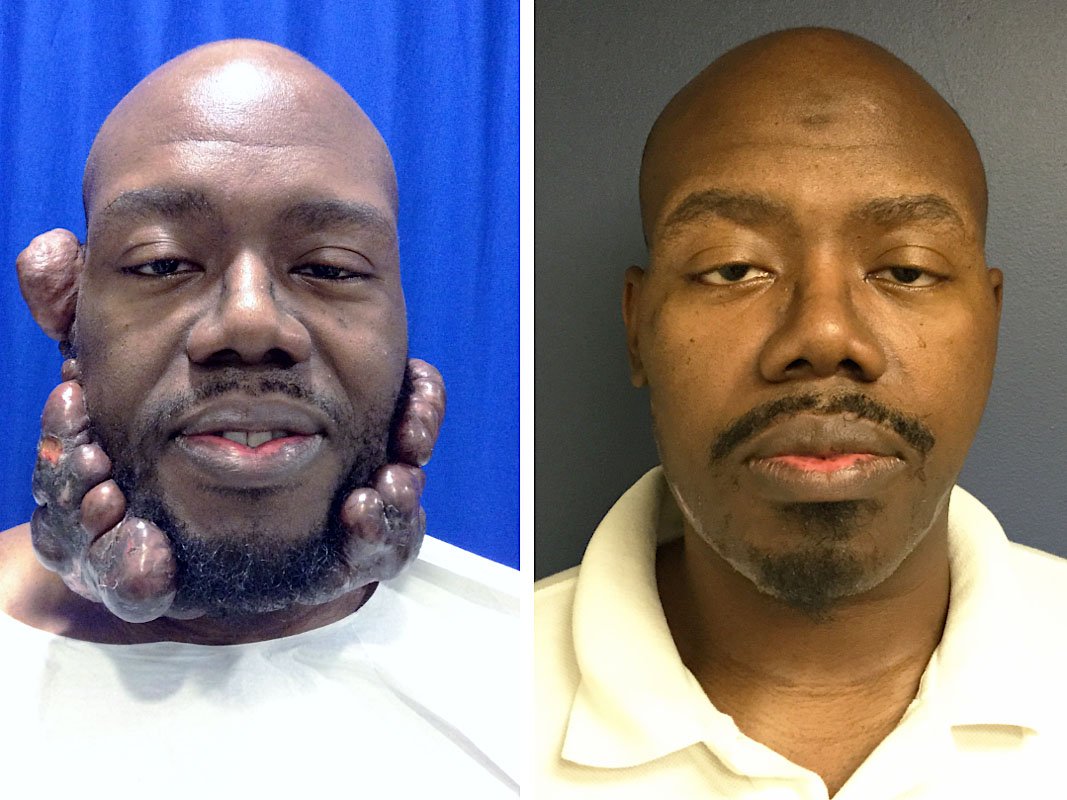
For example, if a small piercing resulted in a raised mass that gradually extends beyond the piercing site, it may be consistent with a keloid. Keloids can develop shapes and extensions that are much larger than the original injury.
2. It Becomes Raised and Firm
Keloids are typically raised, firm, smooth, and sometimes shiny. Their color can vary from skin-colored to pink, red, purple, brown, or darker than the surrounding skin.
3. It Continues to Grow
A typical scar often becomes less noticeable as it matures. A keloid, on the other hand, can slowly increase in size after the original wound has healed.
The American Academy of Dermatology notes that keloids may take months to appear and can continue growing for months or years.
4. It Feels Itchy, Tender, or Painful
Some keloids cause itching, tenderness, or discomfort, particularly while they are actively growing. In some cases, larger keloids can also interfere with movement when they develop near a joint.
5. It Does Not Flatten Over Time
Many scars gradually become flatter and less noticeable. Keloids generally persist without treatment and may continue to remain raised after they stop growing.
Keloid vs. Hypertrophic Scar
One of the most common sources of confusion is the difference between a keloid and a hypertrophic scar.
Both can be raised, firm, red, itchy, or uncomfortable. The key difference is where the scar tissue grows.
A hypertrophic scar stays within the boundaries of the original wound. It may become raised shortly after an injury and can gradually flatten over time.
A keloid extends beyond the original wound and can continue growing. Keloids are also more likely to persist without treatment.
This distinction is important because the two conditions can require different approaches to management.
What Causes Keloids?
Keloids develop when the normal wound-healing process produces excessive scar tissue.
They can follow many types of skin injury, including surgery, acne, burns, cuts, piercings, and other trauma. Genetics can also play a role. People with a family history of keloids may have an increased tendency to develop them.
Not everyone who develops a scar will develop a keloid.
Where Do Keloids Commonly Develop?
Keloids can develop almost anywhere, but certain areas are more commonly affected, including:
- Earlobes
- Chest
- Shoulders
- Upper back
- Jawline and neck
- Upper arms
Their appearance can vary significantly depending on their location, size, and stage of development.
Can a Keloid Go Away on Its Own?
Keloids generally do not flatten and disappear on their own in the same way that some other scars can. Treatment may help reduce their size, symptoms, and appearance.
There is no single treatment that works for every keloid, so treatment planning may depend on factors such as the keloid’s location, size, depth, previous treatments, and whether it has returned after treatment.
Treatment options can include approaches such as steroid injections, silicone products, cryotherapy, laser treatment, and, in selected cases, surgery combined with additional treatment. Surgical removal by itself can carry a risk of recurrence, so keloid treatment should be carefully planned.
When Should You Have a Raised Scar Evaluated?
Consider speaking with a qualified medical professional if a scar:
- Continues getting larger
- Extends beyond the original wound
- Becomes increasingly itchy or painful
- Feels firm or develops a significant raised mass
- Interferes with movement
- Is causing cosmetic or emotional concerns
An evaluation can help determine whether you are dealing with a keloid, hypertrophic scar, or another type of skin condition.
The Bottom Line: Keloid or Scar?
The easiest distinction to remember is:
A typical scar generally stays within the area of the original injury and may become less noticeable over time. A keloid is raised scar tissue that can grow beyond the original wound and remain elevated.
However, appearance alone is not always enough to determine the type of scar. Keloids and hypertrophic scars can look similar, particularly during the early stages of healing. A medical evaluation can help determine the appropriate diagnosis and treatment approach.
Concerned About a Keloid?
If you have a raised or growing scar and are unsure whether it is a keloid, getting it evaluated can help you understand your treatment options.
Dr. Keloid specializes in the evaluation and treatment of keloid scars, with treatment plans tailored to the individual patient and the characteristics of their keloid.
Don’t ignore a scar that continues to grow. Understanding what you’re dealing with is the first step toward finding an appropriate treatment approach.